
Korona vs BottlePOS: Key Differences for Liquor Stores
Korona and BottlePOS are both built with liquor stores in mind — but they’re designed around different priorities. BottlePOS leans into an “all-in-one liquor ecosystem” (POS + ecommerce + loyalty), while Korona is built for inventory-heavy retail, deeper reporting, multi-location control, and processor flexibility. Below are the differences that matter most before choosing between them.
Inventory Depth
Korona is usually better for high-SKU stores needing tighter inventory controls, purchasing, and multi-location accuracy.
Ecommerce + Loyalty
BottlePOS is often chosen for an all-in-one liquor ecosystem with ecommerce, loyalty, and marketing built in.
Processor Choice
Korona is processor-agnostic so you can shop rates. BottlePOS is sold as a bundled stack with processor lock.
Scale & Control
BottlePOS is streamlined. Korona is usually stronger for higher volume, more users, and multi-location operations.
Korona Wins For
- High-SKU liquor stores needing tighter inventory control
- Case-break / multi-unit workflows and deeper purchasing tools
- Owners who want processor choice and long-term rate leverage
- Multi-location or growing operations that need stronger controls
BottlePOS Wins For
- Liquor stores that want ecommerce + loyalty tightly integrated
- Owners who prefer a more “all-in-one” liquor-focused ecosystem
- Teams prioritizing streamlined rollout over maximum flexibility
In the sections below, we’ll break down Korona vs BottlePOS across pricing, hardware, inventory workflows, ecommerce, processing costs, and real-world fit — so you can choose the system that matches how your liquor store operates today (and how you plan to grow).
Want more context?
See where both systems rank in our Best POS Systems for Liquor Stores guide — or dive deeper into our full reviews: Korona POS and BottlePOS.
Korona vs BottlePOS: Key Takeaways for Liquor Stores
Korona vs BottlePOS: Core Features That Matter for Liquor Stores
Korona and BottlePOS are both liquor-store-focused — which is why this is one of Korona’s most competitive matchups. BottlePOS tends to win when you want a more “all-in-one liquor ecosystem” (ecommerce + loyalty + marketing), while Korona tends to win for deeper inventory control, reporting, and processor flexibility.
Inventory & SKU Management
 Korona
Inventory Control Edge- Case/pack/bottle tracking and case-break workflows
- Purchasing + vendor tools to manage reorders
- High-SKU friendly structure for large liquor catalogs
- Deep reporting to spot shrink and margin issues
 BottlePos
Strong Liquor Fit- Liquor-first workflows designed for day-to-day liquor retail
- Multi-store capable for many operators (confirm structure + reporting)
- Streamlined catalog + pricing for typical liquor SKUs
- Confirm purchasing depth if you need complex POs, vendors, and case-break rules
Payment Processing & Long-Term Cost Control
Korona
Processor Choice Edge- Processor-agnostic (not locked to one rate plan)
- Easier to shop rates as volume increases
- Strong auditability and statement transparency
- Better long-term leverage for high card volume stores
Bottle
Often Bundled Processing- Streamlined setup when the stack is bundled
- Processing flexibility varies by plan and agreement
- Less leverage to renegotiate as volume grows
- Simple for owners who want fewer moving parts
Simplicity & Ease of Use
Korona
More Setup- More initial configuration for inventory + roles
- More training than plug-and-play systems
- Pays off if your operations are complex
- Strong long-term fit for high-SKU stores
BottlePos
Simplicity Edge- Faster to roll out for many liquor stores
- Designed for liquor retail day-one usability
- Strong fit for simpler teams and single locations
- Confirm flexibility if you want custom workflows
Age Verification & Compliance
Korona
Strong Controls- Age-restricted prompts with built-in ID scan support
- Permissions + overrides with tracking
- Audit-friendly reporting for voids/refunds
- Built for liquor workflows (not generic retail)
BottlePOS
Liquor-First Fit- Age-restricted prompts with built-in ID scanning support
- Practical cashier workflows for liquor retail
- Solid exception tracking for common scenarios
- Confirm depth if you need enterprise-level permission rules
Operational Control & Back-Office Management
Korona
Control Edge- Granular user permissions and overrides
- Inventory safeguards to reduce shrink/errors
- Purchasing/receiving workflows and vendor controls
- Audit-friendly reporting for reconciliation
 Clover
Streamlined Ops Edge- Liquor-first back office that’s easier to run daily
- Ecommerce + loyalty tie-in without extra tools
- Practical reporting for most liquor stores
- Confirm controls if you need very granular permissions
Scalability & Long-Term Growth
Korona
Multi-Location Edge- Multi-location inventory and consistent reporting
- Central purchasing/vendor controls
- Handles high SKU counts without workarounds
- More flexibility as complexity grows
BottlePOS
Strong Single-Store Fit- Supports single and multi-location stores with a liquor-first workflow
- Ecommerce + loyalty stays connected as you grow
- Multi-location inventory depth may vary by plan and setup
- Confirm reporting detail if you need strict, centralized oversight
This matchup is closer than most: BottlePOS often wins for ecommerce, loyalty, and a streamlined liquor-first ecosystem, while Korona is usually the stronger choice for inventory depth, back-office controls, reporting, and processor flexibility — especially for higher-SKU, higher-volume, or multi-location liquor stores.
Schedule a live demo to walk through inventory, ecommerce, compliance, and total cost — and compare both systems side by side.
Korona vs BottlePOS Pricing
Pricing for both Korona and BottlePOS varies based on store size, register count, inventory complexity, and payment processing setup. Neither platform publishes simple, all-inclusive pricing. Below are realistic cost ranges and what most liquor stores should expect.
Software & Platform Fees

- Case, pack, and bottle-level tracking
- Purchase orders, vendors, and cost analytics included
- No paid add-ons for core liquor features

- Liquor-specific tools included
- Advanced features require higher tiers
- Pricing increases as complexity grows
Hardware Costs
Both systems support standard retail hardware. Costs depend on register count, peripherals, and whether equipment is purchased outright or bundled.
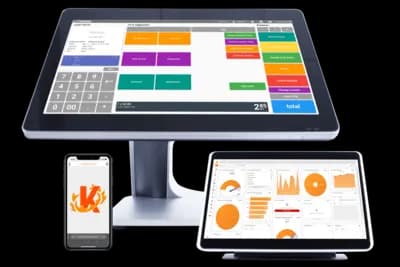
Korona Hardware
Uses industry-standard terminals, barcode scanners, receipt printers, and cash drawers. Hardware is processor-agnostic and designed for long-term flexibility as your store grows.
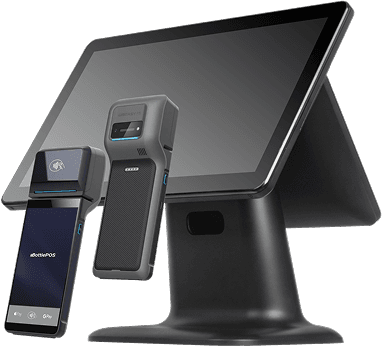
BottlePOS Hardware
Hardware is commonly bundled with the system. Lower upfront pricing is typically tied to long-term payment processing contracts with fixed, non-negotiable rates.
Payment Processing Costs
Processing fees represent the largest long-term cost difference between Korona and BottlePOS.

Korona allows liquor stores to choose their processor and avoid bundled rate markups.
Synapse pricing:
Interchange + $49/month
No percentage markup
This structure scales efficiently as volume increases.

BottlePOS typically requires approved or bundled processing arrangements.
Typical structure:
Flat-rate percentage pricing
Pricing is not publicly advertised and typically includes an additional monthly platform or processing fee
Total processing cost often rises as transaction volume grows.
Takeaway: Korona’s open processing paired with $49/month + interchange offers predictable, scalable costs. BottlePOS delivers liquor-specific tools, but its bundled pricing structure can lead to higher long-term expenses for growing stores.
Calculate Your Total Cost of Ownership
📌 Note: This calculator does not include Clover's marketplace add-on app costs, which typically add $40–$150/month for essential liquor store functionality.
Quickly Compare Clover to Korona, BottlePOS, Lightspeed, and Square
Key Advantages for Liquor Stores: Korona vs BottlePOS
Korona and BottlePOS are both used by liquor stores, but they are built around different operating philosophies. BottlePOS prioritizes liquor-specific workflows within a bundled ecosystem, while Korona focuses on inventory depth, operational control, and long-term flexibility. Below are the key advantages liquor store owners typically see with each platform.
Korona POS Advantages
- Retail-grade inventory designed for high-SKU liquor stores
- Native case, pack, and bottle-level inventory conversions
- Advanced purchasing, vendor management, and cost tracking
- Processor-agnostic processing for full rate and contract control
- Scales cleanly across higher volume, multiple registers, and locations
BottlePOS Advantages
- Built specifically for liquor store workflows
- Preconfigured features for common liquor retail needs
- Simplified setup for owners who want an all-in-one system
- Lower upfront complexity compared to fully open platforms
Summary: BottlePOS can work well for liquor stores that want a bundled, liquor-focused system with minimal setup decisions. Korona is the stronger choice for stores that prioritize inventory accuracy, reporting depth, processing transparency, and long-term operational control.
How Korona and BottlePOS Compare for Liquor Stores
| Category |  |  |
|---|---|---|
| Inventory Depth (High-SKU Liquor) | Advanced retail-grade inventory | Liquor-focused, less configurable |
| Case / Pack / Bottle Conversions | Native and fully integrated | Included for liquor workflows |
| Ordering, Vendors & Cost Tracking | Advanced purchasing & cost controls | Available, less flexible |
| Age & ID Compliance Workflows | ID scanning, configurable prompts & audit controls | ID scanning with liquor-focused compliance workflows |
| Reporting & Operational Control | Deep reporting, permissions & controls | More standardized reporting |
| Payment Processing Flexibility | Processor-agnostic | Bundled processing with fixed rates |
| Pricing Transparency | Published software & processing structure | Software, rates & monthly fees not advertised |
| Typical Cost Trend Over Time | Predictable and controllable | Can increase as volume grows |
| Best Fit | Liquor stores prioritizing inventory accuracy and long-term control | Liquor stores wanting a bundled, preconfigured system |


Takeaway: BottlePOS can be a solid choice for liquor stores that want a bundled, liquor-focused system with fewer setup decisions, but pricing, processing rates, and monthly fees are not publicly advertised and costs can increase as volume grows. Korona is typically the better long-term fit for liquor stores that want deeper inventory control, stronger reporting, and fully transparent, processor-agnostic payment processing.
Korona vs BottlePOS: Reputation and User Reviews


Korona
BottlePOS
Final Verdict: Korona vs BottlePOS for Liquor Stores
Korona and BottlePOS are built for different types of liquor store owners. BottlePOS emphasizes a bundled, liquor-focused experience with fewer setup decisions, while Korona is designed for stores that want deeper inventory control, stronger reporting, and full transparency around payment processing costs.
Many liquor store owners start with a bundled system for simplicity, then reassess as transaction volume grows and processing costs become more visible.
Bottom line:
- If you want a bundled, liquor-focused system with fewer upfront decisions → BottlePOS can be a reasonable fit.
- If you prefer month-to-month contracts, transparent pricing, and full control over payment processing → Korona POS is typically the stronger long-term choice.
Still Deciding Between Korona and BottlePOS?
Talk with our POS specialists — we’ll compare Korona, BottlePOS, and other liquor-store-ready systems based on your volume, growth plans, and processing preferences.
FAQs: Korona vs BottlePOS
Do Korona and BottlePOS work well for liquor stores?
Yes — both platforms are used by liquor stores, but they take different approaches. BottlePOS focuses on a bundled, liquor-first experience with fewer setup decisions. Korona is built as a retail-grade system that offers more control as inventory, reporting, and operational needs grow.
Do I have to use a specific payment processor?
BottlePOS is bundled with payment processing, meaning rates, fees, and contract terms are set as part of the agreement. Korona is processor-agnostic, allowing liquor store owners to choose, negotiate, and change processors — often on a month-to-month basis.
Which system is cheaper for liquor stores?
BottlePOS can appear cheaper upfront due to bundled hardware, but pricing, processing rates, and monthly fees are not publicly advertised and total costs can increase as volume grows. Korona often has higher upfront hardware costs, but its transparent pricing and processor flexibility can result in lower long-term costs for many stores.
Which POS is better for larger or more complex stores?
Korona is generally the better fit for liquor stores with higher SKU counts, multiple registers, or plans to expand. Reviews frequently cite better reporting depth and operational control as stores scale. BottlePOS works best when operations remain relatively standardized.
Is BottlePOS or Korona better for small, single-location stores?
BottlePOS i is often appealing for small, single-location liquor stores that want a bundled system with minimal decisions. Korona can also work well for smaller stores, especially for owners who want pricing transparency or plan to grow without switching platforms later.
Which POS is better if I want flexibility long-term?
If long-term flexibility matters, Korona is usually the stronger choice. Month-to-month processing options, transparent pricing, and processor choice make it easier to adapt as your store’s volume and needs change. BottlePOS works best for owners who are comfortable with a bundled structure.