
The cost of a liquor store POS system isn't a single number. It comes from three buckets that add up to your total cost of ownership:
Software Fees
The monthly subscription for your POS software
Hardware Costs
The terminals, scanners, printers, and customer displays
Payment Processing Fees
The per-transaction cut that adds up to thousands every year
In this guide, we'll break down each cost in detail, compare real pricing from major POS vendors, and show you how to calculate your liquor store's true POS cost.
Looking for a complete comparison? For a full breakdown of top-rated systems and their features, see our Best POS Systems for Liquor Stores guide.
Key Takeaways
Hardware
$1,100–$2,800 upfront per register
Software
$59–$339+ per month depending on features
Processing
Often the biggest ongoing cost — varies by provider
The bottom line: The best liquor store POS system strikes a balance between affordability and liquor-specific features like age verification, case break pricing, compliance reporting, and advanced inventory management. Choosing a solution with processor flexibility gives you the leverage to negotiate better rates and avoid costly long-term contracts.
The 3 Major Cost Components
Software Costs
Your first move is software. The right liquor store POS software offers features specifically designed for alcohol retailers.
Pricing Model & Range
- Pricing model: Most POS software for liquor store setups follow a subscription model, billed monthly (usually per device)
- Typical price range: $59–$109/month for basic plans; advanced retail packages range from $339/month and higher
Real-World Examples

Popular for small to mid-sized stores seeking a low-cost solution

Includes retail-friendly tools (but not always liquor-specific)

For stores that need e-commerce or loyalty add-ons

Designed exclusively as a liquor POS system
What Do Software Costs Cover?
Liquor store POS software pricing isn't random. The more advanced features a system includes, the higher the monthly fee — but many of those extras actually prevent bigger costs elsewhere:
Age Verification: Adds to software cost, but avoids costly compliance fines for underage sales
Inventory Management: Typically included in mid-tier plans; reduces shrinkage and over-ordering, directly protecting margins
Case Breaks: Found in liquor-specific systems; adds to subscription cost but prevents revenue loss when selling individual bottles
Analytics and Reporting: Often locked behind premium tiers; higher fees, but provide insights that reduce waste and optimize pricing
The takeaway: Software plans range from $59/month to $339/month or more. You're not just paying for transactions — you're paying for cost-saving tools built into the system.
Hardware Costs
Your liquor store POS setup won't work without hardware. This includes card readers and other physical devices that employees use to process transactions.
Typical Hardware Bundle Includes
- POS terminal or iPad with a stand
- Barcode scanner
- Receipt printer
- Cash drawer
- Customer-facing display
Average Hardware Costs
Starter kits range depending on the brand and configuration. Proprietary systems like Clover or IT Retail can be more expensive upfront than open hardware options.
Avoid hardware leasing contracts. While they reduce upfront costs, they dramatically increase the long-term cost of the liquor store POS system.
The Hidden Role of Hardware in Customer Experience
Although customers may not notice your liquor store POS hardware, it shapes their entire checkout experience. A sluggish barcode scanner, a jam-prone receipt printer, or a register that crashes under pressure will slow down lines and create frustration.
That's why choosing reliable, future-proof equipment is incredibly important when investing in a POS system for liquor stores. Remember that hardware isn't just an expense, it's the foundation of smooth, repeatable service.
Payment Processing Fees
Payment processing is the single most significant long-term expense associated with any liquor POS system. These are the hidden costs you have to be careful of, and ones that will quickly eat into the biggest of budgets.
Flat-Rate Pricing
Common with providers like Square and Lightspeed. Simple, but often more expensive as volume grows.
Interchange-Plus
Offered by processor-agnostic systems like Korona. Often saves liquor store owners thousands annually.
Pro tip: If you process over $25,000/month, choosing a liquor store POS system that supports interchange-plus is the wisest move. That single decision can show just how much processing fees influence your bottom line.
Why Processing Fees Can Make or Break Your Budget
Many owners focus on the upfront cost of the liquor store POS system without realizing that card processing fees will add up fast. A slight difference of just 0.2% in your rate can equal thousands of dollars annually for mid-sized liquor stores.
This is why understanding whether you're on a flat-rate or interchange-plus plan is crucial. Think of payment processing as the "silent partner" in your liquor store. It takes a cut of every sale, and the wrong choice will quietly drain profits month after month.
Example Pricing by POS Vendor
Here's how the top liquor store POS vendors stack up on pricing, hardware, and processor flexibility.
Korona POS Cost Snapshot

~~ Cost Snapshot
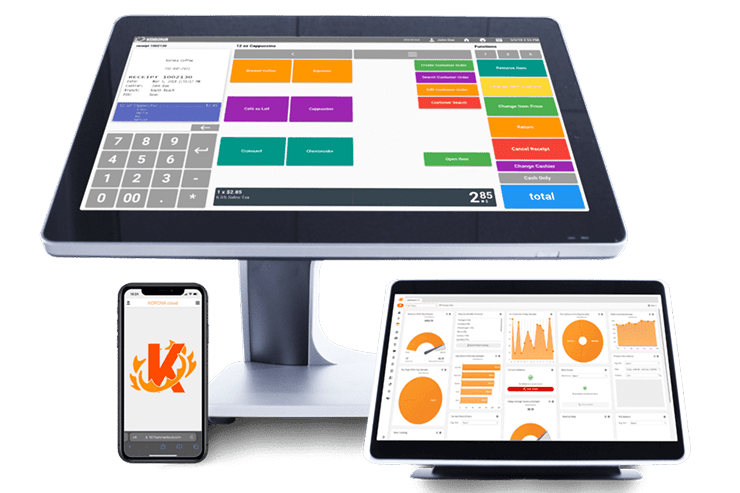
Korona is often one of the most affordable liquor store POS systems because its costs are transparent and processor-agnostic. Instead of locking you into high flat rates, it lets you bring your own processor, meaning the real savings usually come from lower card fees, not just the software subscription.
Software
per month
Hardware
starter bundle
Processor
Shop, negotiate, switch anytime
Cost Takeaway: For liquor stores processing higher volumes, Korona's processor flexibility usually offsets the software cost many times over.
Want more details? Read our in-depth Korona POS Liquor Store Review →
Want to see Korona in action?
Schedule a demo and see how Korona + Synapse can save thousands in processing fees.
Clover POS Cost Snapshot

~~ Cost Snapshot
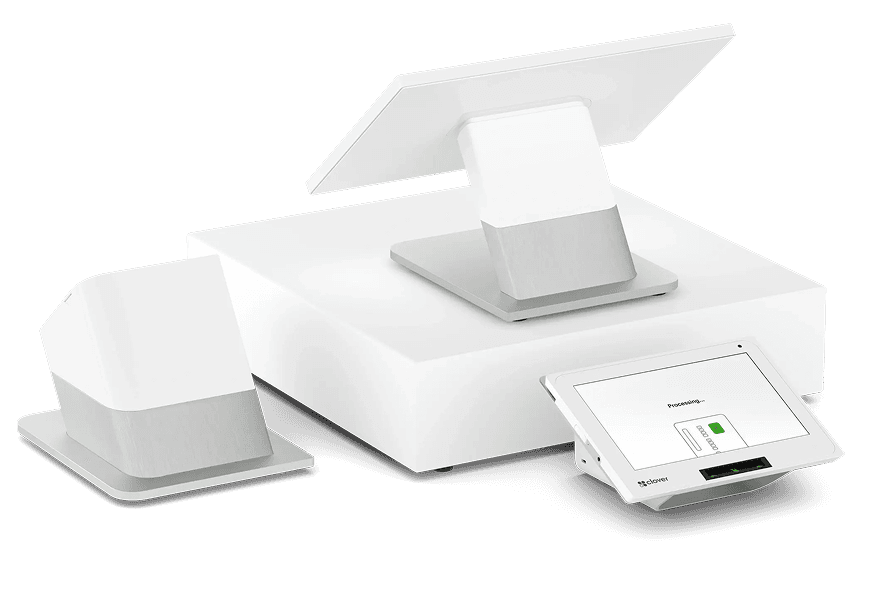
Clover is one of the most widely recognized POS systems in the U.S., with polished hardware and straightforward setup. While its software subscriptions look inexpensive at first, the real cost comes from processor lock-in — once a device is programmed, it can't be moved to another processor without buying new hardware.
Software
per month + $20 per additional device
Hardware
Station Duo bundle
Processor
Must stay on Fiserv infrastructure
Multiple ISOs available
So you can still negotiate your rates
Cost Takeaway: Clover has one of the lowest entry-point prices for liquor store POS, but lock-in makes long-term processing costs harder to control.
Want more details? See how Clover stacks up in our full review →
Want to see Clover in action?
Schedule a demo and see how Clover + Synapse can save thousands in processing fees.
BottlePOS Cost Snapshot

~~ Cost Snapshot
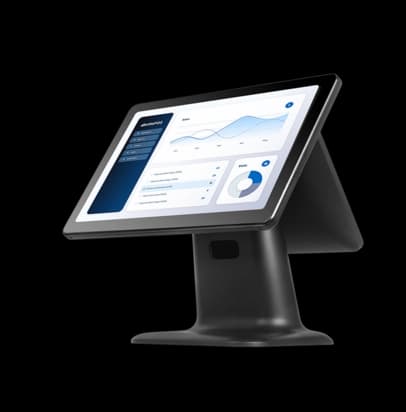
BottlePOS is purpose-built for liquor stores, but unlike some competitors, it doesn't publish pricing. That makes it harder to compare apples-to-apples unless you request a direct quote. Hardware and software are typically bundled with a required processing agreement.
Software
Reports suggest ~$49/mo starting
Hardware
Bundles starting ~$999+
Processor
(rates not published)
Expect ~2.70% + 10¢
No 3rd-party processors
Locked to BottlePOS only
Cost Takeaway: BottlePOS often has liquor-specific features that stores like, but processor lock-in means you'll need to watch long-term costs carefully.
Want more details? Read our full BottlePOS review here →
Comparing BottlePOS costs to other options?
Get a free cost comparison showing BottlePOS vs. open-processor systems with Synapse.
Lightspeed Cost Snapshot

~~ Cost Snapshot
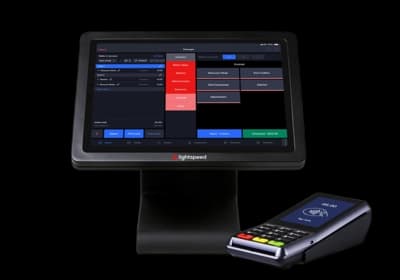
Lightspeed is a retail POS with strong analytics, but its pricing is among the highest in the liquor store POS market. While software and hardware costs are straightforward, payment processing can add significantly to the total cost of ownership if you don't stick with Lightspeed Payments.
Software
per month per register
Hardware
starter kit (iPad not included)
Processor
2.60% + 10¢ (card-present)
2.90% + 30¢ (card-not-present)
3rd-party allowed
but $400/mo unlock fee
Cost Takeaway: Lightspeed is feature-rich but has one of the highest long-term ownership costs due to software pricing and processor lock-in fees.
Want more details? Explore our detailed Lightspeed POS review for liquor stores →
Comparing Lightspeed's total costs?
Get a free breakdown showing Lightspeed's full costs vs. alternatives with Synapse processing.
Square POS Cost Snapshot

~~ Cost Snapshot
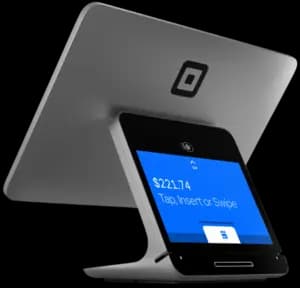
Square keeps startup costs low with free POS software and simple onboarding, which appeals to new liquor stores with limited budgets. However, its flat-rate pricing (2.6% + $0.10 per transaction) can erode margins quickly once sales climb—making it less cost-effective at scale compared to processor-agnostic systems.
Software
(Free plan exists but not usable for liquor retail)
Hardware
per register
Processor
*(Square controls the processor – you cannot choose your own)*
Cost Takeaway: Square's no-software-fee model is great for startups, but flat-rate processing becomes expensive as sales volume grows.
Want more details? Read our full Square POS review for liquor stores →
Considering Square for your liquor store?
See how Square's flat-rate processing compares to interchange-plus alternatives and calculate potential savings.
Vendor Comparison Chart
| Vendor | Best For | Software Pricing | Hardware Pricing | Processor Flexibility | Cost Watchouts |
|---|---|---|---|---|---|
 | Multi-entity liquor stores looking to grow | Core: $59/mo Retail: $69/mo | $2,799 bundle | Open/agnostic | Low software cost; savings compound from processor flexibility |
 | Small to midsize liquor stores seeking simplicity | Retail Growth: $84.95/mo + $19.95/additional | Station Duo ≈ $2,200 | Locked once boarded | Low entry; hardware lock-in makes switching costly |
 | Liquor stores with complex pricing and compliance needs | $49/mo (starting, quote-based) | Quote-based bundles (~$999+) | In-house only | In-house processing only; rate increases raise TCO |
 | Stores wanting advanced analytics & multi-location tools | Basic: $109/mo Core: $179/mo Plus: $339/mo | Starter kit ~$1,100-$1,400 | Fees for third-party | Premium software; third-party processing fees may add up to ~$400/mo |
 | Very small shops or startups with limited budgets | Free: $0/mo Retail Plus: $49/mo | ~$1,200 per register | In-house only | Flat-rate processing adds up at scale (2.6% + 10¢) |
Other POS Systems to Consider

Best for: Liquor stores that want a one-time bundled purchase
NRS POS offers bundled liquor store systems that include hardware, software, and processing in a single upfront package. This simplifies setup, but because payment processing is tied to the system, merchants give up long-term rate flexibility, which can result in higher total costs as processing volume grows.
Want more details? Full breakdown: NRS for Liquor Stores →

Best for: Liquor stores seeking a restaurant-grade POS
Toast provides a tightly integrated POS platform that bundles software, hardware, and payment processing into a single system. This can simplify operations, but because processing is built in and non-negotiable, merchants have limited pricing flexibility, which can increase total costs as sales volume grows.
Want more details? Our full Toast Retail review for liquor retailers →
Other Costs to Consider
Beyond the three major cost components, there are several additional expenses that can impact your total cost of ownership:
Onboarding/Training
One-time or recurring fees for staff training and system setup
PCI Compliance
Monthly gateway and compliance fees ($10-$40/mo typical)
Support
Customer service packages or premium support contracts
Warranty
Extended hardware warranties and replacement coverage
Reporting & Analytics
Loyalty programs, e-commerce, payroll, accounting integrations ($30-$150/mo)
Add-ons
Loyalty programs, e-commerce, payroll, accounting integrations ($30-$150/mo)
How to Calculate Total Cost of Ownership (TCO)
When evaluating the cost of a liquor store POS system, it's essential to consider factors beyond the sticker price. The actual cost of ownership is the sum of all the pieces that keep your system running:
TCO Formula
TCO Example Calculation
Scenario: 1 register, $120,000/month in card sales
Calculate Your Total Cost of Ownership
Quickly Compare Korona to Clover, BottlePOS, Lightspeed, and Square
💡Pro tip: Use an effective rate calculator to see your actual processing cost. Even saving 0.2% on processing can equal thousands of dollars a year for a mid-sized liquor store.
How to Save on Liquor Store POS Costs
The right liquor store point of sale system doesn't just keep operations compliant and efficient; it protects your margins. Since fees can quickly add up, here are practical ways to keep expenses under control:
Pick a System with Processor Flexibility
Brands that choose their own processor have the power to negotiate better rates and quickly switch providers if costs rise. Locked-in systems may appear affordable upfront, but over time, they limit your ability to save.
Use Interchange-Plus Pricing
Instead of paying a flat rate for every single transaction, look for providers that offer interchange-plus. This pricing model passes on the actual wholesale cost of the card networks, with only a small markup. For high-volume liquor stores, this results in saving thousands of dollars each year.
Avoid Any Leases
Leasing hardware may sound good upfront (because of the low monthly payment), but it usually ends up costing far more than purchasing equipment outright. Whenever possible, buy the terminals, scanners, and cash drawers outright to avoid long-term overpayment.
Regularly Audit Your Effective Rate
Your effective rate is calculated by dividing the total fees paid by credit card sales. Many liquor store owners are surprised to discover they're paying more than they thought. By checking this number quarterly, you can hold your processor accountable and make adjustments before fees quietly erode your profits.
Final Verdict: Our Top Liquor Store POS Recommendation
After evaluating all major systems across pricing, inventory control, hardware flexibility, and long-term scalability, Korona POS consistently delivers the best overall value for liquor stores.
Unlike many retail POS options, Korona doesn't lock you into a single payment processor or force unexpected markup-based pricing. This alone can save high-volume liquor stores thousands of dollars per year while giving you full transparency into your costs.
And when it comes to day-to-day operations, Korona’s inventory system is built specifically for high-SKU retailers — case breaks, bottle vs. pack pricing, vendor management, loss tracking, and deep reporting features are all included without needing expensive add-ons.
If your priority is minimizing long-term costs, maintaining pricing freedom, and using a POS that grows with your store, Korona POS is the clear standout choice. It offers the strongest mix of affordability, functionality, and flexibility for liquor store owners.
Want the Lowest Total Cost for Your Liquor Store POS?
Upload your last statement, and we'll show you your effective rate, along with a side-by-side cost breakdown for Korona, Clover, BottlePOS, Lightspeed, and more.
FAQs
Why should I choose a POS with processor flexibility?
This is what gives your business leverage. When not locked into a single provider, you can shop around for the best rates, negotiate lower fees, and switch if costs rise. Over the lifetime of your system, this freedom saves more than the software itself costs.
Is interchange-plus pricing really cheaper than a flat rate?
Indeed, especially for a liquor store with a higher volume of sales. Flat-rate models look simple, but they pad margins for the processor. Interchange-plus passes through the actual card network fees with only a small markup. For a store generating $50,000+ in monthly sales, the savings can amount to thousands of dollars.
Should I lease liquor store POS hardware?
Although leasing seems like the more affordable option (because the monthly payments are small), in reality, you'll pay far more than the purchase price over the term of the lease. That's why buying your POS hardware upfront (registers, scanners, printers) eliminates the hidden premium and leaves you with equipment you own outright.
How do I know if I'm overpaying on processing?
Calculate your effective rate by dividing the total card processing fees by the total card sales. If it's moving above 3%, you might be paying more than necessary. Checking this number often helps you catch unnecessary fees and keeps processors honest.